
Understanding the Wild Side of San Benito County
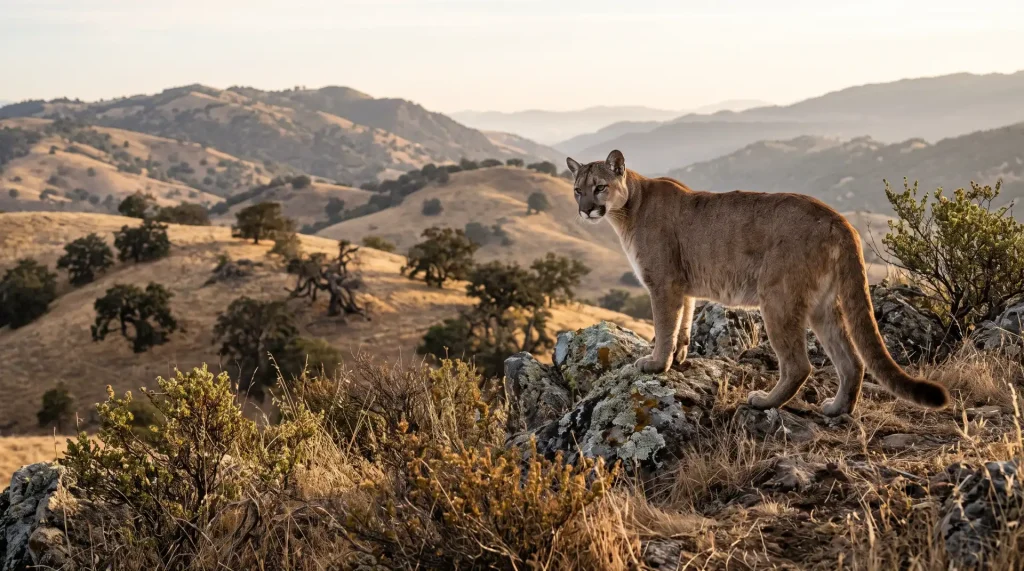
San Benito County, California, is known for its rolling hills, oak woodlands, agricultural landscapes, historic communities, and outdoor recreation opportunities. From the countryside surrounding Hollister to the rugged terrain near Pinnacles National Park, the region offers a valuable connection to California’s natural environment. Alongside farms, ranches, residential neighborhoods, and popular hiking destinations, native wildlife continues to play an important role in the landscape.
Among the most recognizable animals in the region are mountain lions and bobcats. These wild cats are adapted to California’s varied habitats and are generally elusive, preferring to avoid people whenever possible. Although they belong to the same biological family, they differ considerably in size, hunting behavior, habitat use, and the precautions people should take when encountering them.
For residents, understanding local wildlife is about more than recognizing an animal on a trail or security camera. It involves knowing how to protect pets and livestock, keeping properties from attracting predators, responding appropriately to unexpected encounters, and helping children understand that wild animals should be respected rather than approached.
Wildlife coexistence is particularly important in places where natural habitats meet human development. Roads, fences, gardens, orchards, ranches, and neighborhoods can overlap with animal travel routes. These shared spaces create opportunities for wildlife observation, but they can also create conflicts when food, pets, or livestock become accessible to wild predators.
This guide explains what residents and visitors should know about mountain lions and bobcats, how to recognize the differences between them, what to do during an encounter, and how practical property management can reduce unnecessary risks. It also explores the ecological importance of native predators and the role San Benito County residents can play in protecting the area’s natural heritage.
Why San Benito County Provides Habitat for Native Wildlife
Wild animals need suitable habitat, food, water, and places where they can rest and reproduce. San Benito County’s mixture of grasslands, oak woodlands, chaparral, rocky slopes, and rural open spaces provides many of these essentials. The particular species found in any location depend on local conditions, seasonal changes, and the availability of resources.
Oak woodlands provide shade, cover, and food for many animals. Grasslands support insects, rodents, rabbits, and other small mammals. Chaparral creates dense hiding places where wildlife can travel with less exposure, while rocky terrain and wooded drainage areas may offer shelter and resting sites.
These environments are connected to a broader Central California landscape. Wildlife does not follow county boundaries or property lines, and an animal may move through several habitat types while searching for prey, water, or a suitable territory. A mountain lion traveling across a large area might pass near ranchland or a road without remaining in that location.
The relationship between wildlife and development becomes especially important around the edges of communities. Residential growth, new roads, agricultural activity, and fencing can change how animals move through the landscape. Some animals adapt to these changes, while others face increased risks from vehicle collisions, habitat fragmentation, and reduced access to natural resources.
Human behavior can also influence whether wildlife approaches a property. Accessible garbage, spilled birdseed, pet food, and unsecured poultry may attract smaller animals. Those animals can, in turn, attract predators searching for an easy meal. Feeding deer or other wild mammals can also encourage wildlife to gather close to homes.
For San Benito County residents, the goal should not be to remove every wild animal from the surrounding landscape. Instead, homeowners and property managers can reduce avoidable attractants while allowing native wildlife to continue occupying suitable natural habitat.
 Mountain Lions: California’s Powerful Native Predators
Mountain lions, also known as cougars, pumas, and panthers, are large wild cats native to California. Their muscular bodies, tawny coats, rounded ears, and long tails help distinguish them from smaller feline species. Their coloring provides effective camouflage in dry grass, rocky terrain, woodland edges, and brush-covered hillsides.
Mountain lions are solitary animals for most of their lives. Adults generally travel and hunt independently, except when females are raising their young or when animals briefly interact during mating. Female mountain lions care for their kittens until the young animals become capable of surviving independently.
Because mountain lions need access to prey and suitable habitat, they may travel across substantial areas. Their movements can bring them through rural properties, natural recreation areas, and occasionally the edges of developed communities. However, the presence of appropriate habitat in a region does not prove that a mountain lion regularly visits a particular neighborhood.
What Do Mountain Lions Eat?
Deer are an important part of the mountain lion’s diet in many California habitats. Mountain lions may also hunt other mammals, including smaller animals when circumstances provide an opportunity. Their diet reflects the availability of prey in the environment.
As predators, mountain lions help influence prey populations and contribute to ecological processes. They are not animals that should be encouraged to visit residential yards, however. A property that attracts deer or provides easy access to pets and livestock may create conditions for conflict.
Rural residents can reduce this risk by avoiding intentional wildlife feeding, keeping garbage secured, and protecting domestic animals in suitable enclosures. These precautions are especially important where properties border open land or dense vegetation.
Are Mountain Lions Dangerous to People?
Mountain lions are powerful predators, and an encounter must always be treated seriously. Nevertheless, they generally avoid people, and attacks on humans are rare. A sighting does not automatically mean that an animal intends to approach or attack someone.
If a mountain lion appears nearby, do not follow it or move closer for a photograph. Give it an unobstructed route away from people, keep children close, and bring pets indoors when possible. If the animal is on a trail, remain calm and follow established mountain lion safety guidance.
A mountain lion that appears injured, behaves aggressively, or repeatedly approaches occupied areas may require professional assessment. Residents should contact the appropriate wildlife authorities rather than attempting to capture, frighten, or handle the animal themselves.
Bobcats: Smaller Wild Cats With Important Ecological Roles
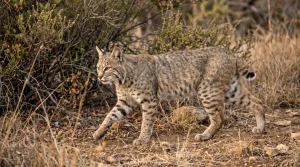
Bobcats are another native wild cat found across much of California. They are substantially smaller than mountain lions and are recognized by their short, bobbed tails, distinctive ear tufts, spotted or mottled coats, and compact bodies.
Their fur often combines tan, gray, and brown shades that blend well with dry vegetation, rocks, and woodland cover. A bobcat may be difficult to see when it moves through brush, even when it is relatively close to a trail or rural property.
Bobcats are generally solitary and elusive. They may be active during daylight, twilight, or nighttime hours, depending on local conditions and their activity patterns. A daytime sighting is not, by itself, evidence that an animal is sick or behaving abnormally.
What Do Bobcats Eat?
Bobcats commonly prey on rabbits, rodents, birds, and other small animals. Their diet changes according to what is available in the surrounding environment. This flexibility allows them to survive in a variety of habitats, including brushy hillsides, woodland edges, and other landscapes that provide cover and prey.
Their hunting behavior contributes to the balance of local ecosystems. By preying on smaller animals, bobcats participate in natural food webs and help regulate some prey populations.
Problems can occur when domestic animals become easy targets. Unsecured chickens, outdoor rabbits, unattended small pets, and accessible pet food may increase wildlife activity around a property. Preventing these situations is more effective than attempting to make a wild animal accustomed to people.
Are Bobcats Dangerous?
Bobcats generally avoid human contact and are not usually considered a significant threat to human safety. However, they remain wild predators and should never be treated like domestic cats.
Do not approach a bobcat, attempt to feed it, or try to touch a kitten. If a bobcat appears in a yard, keep children and pets away and allow the animal to leave without interference.
If a bobcat repeatedly enters a poultry enclosure or threatens domestic animals, review the property’s security and contact wildlife authorities for guidance. A single sighting does not automatically require the animal to be removed.
Mountain Lion vs. Bobcat: How to Identify the Difference
Mountain lions and bobcats can inhabit some of the same broad landscapes, but their appearance differs considerably. Understanding the basic identifying features can help residents describe a sighting accurately without getting closer to the animal.
Mountain lions have large, muscular bodies and long, thick tails. Their coats are usually tawny or tan, with lighter coloring underneath. Adult mountain lions can be several times larger than bobcats, making their overall size one of the clearest identifying features.
Bobcats have much shorter tails, smaller bodies, and more noticeable spots or mottled markings. Their ears often have short black tufts, and their facial markings can create the appearance of darker lines around the cheeks and eyes.
Distance and lighting can make identification difficult. A quick glimpse through vegetation or a blurry security-camera image may not show enough detail to identify a species confidently. Do not approach an animal simply to determine what it is.
When documenting a sighting, record the approximate time, location, direction of travel, and visible characteristics. If a photograph can be taken safely from indoors or another protected location, it may help wildlife professionals assess the report. Never put yourself at risk to obtain evidence.
Accurate descriptions are also important when sharing information with neighbors. Avoid labeling every large feline sighting as a mountain lion without reliable evidence, and do not circulate an old photograph as if it shows a recent local encounter.
Where Might Residents Encounter Mountain Lions and Bobcats?
Wild cats may travel through a variety of landscapes, but their presence in any specific location varies. San Benito County’s rural areas, natural vegetation, and outdoor recreation sites provide opportunities for wildlife movement, particularly where developed land borders suitable habitat.
Rural Properties and Ranches
Ranches and rural homes often sit near open land, brush, woodland, and agricultural fields. Deer, rabbits, rodents, and other animals may move across these properties, while predators may travel through the same areas while searching for food.
Owners of poultry and small livestock should pay particular attention to the design and maintenance of animal enclosures. A damaged fence, unsecured coop door, or exposed feed supply can create avoidable problems. Larger livestock operations may benefit from evaluating nighttime shelters, fencing, and other site-specific protective measures.
Hiking Trails and Natural Recreation Areas
Outdoor enthusiasts may encounter wildlife or signs of animal activity while hiking, photographing scenery, or exploring natural areas. Pinnacles National Park is one of the region’s best-known outdoor destinations and provides opportunities to experience native landscapes and wildlife responsibly.
Before visiting, check current park alerts, trail conditions, and official safety recommendations. You can also prepare for your trip with this internal resource: A Complete Guide to Exploring Pinnacles National Park.
Remain on designated trails, keep pets leashed wherever they are permitted, and respect wildlife closures. Never follow an animal into thick vegetation or approach a suspected den.
Roads and Residential Edges
Wildlife may cross roads while moving between habitat areas. Drivers in rural San Benito County should remain attentive, particularly where roadside vegetation limits visibility or wildlife warning signs are posted.
If an animal appears near a road, slow down when it is safe to do so and avoid dangerous sudden maneuvers. Do not stop in a travel lane or exit a vehicle in an unsafe location just to photograph wildlife.
A sighting near a residential neighborhood may mean that an animal is passing through, following prey, or using a nearby habitat corridor. It does not automatically mean that the animal has become dependent on people.
What to Do If You Encounter a Mountain Lion
An unexpected mountain lion encounter can be frightening, but knowing the recommended response can help people remain calm. The California Department of Fish and Wildlife advises people not to run, to face the animal, and to make themselves appear larger.
Stay Calm and Do Not Run
Stop and assess the situation while maintaining as much distance as possible. Do not turn your back and sprint away. Keep the mountain lion in view and give it an opportunity to leave.
Avoid sudden movements that may make the situation more unpredictable. If the animal is moving away, do not follow it or attempt to get a closer look.
Make Yourself Appear Larger
Stand upright, raise your arms, and open your jacket if practical. Speak firmly and loudly so the animal recognizes your presence.
If you are with other adults, remain together rather than scattering. Keep children close. If a small child is present, lift the child without crouching down or turning away from the animal when possible.
Give the Animal an Escape Route
Never approach, surround, or corner a mountain lion. Do not move toward it to force it away from a trail or property. Back away slowly while continuing to face the animal, and avoid crouching or bending over.
If the mountain lion approaches, continue standing your ground, make yourself appear larger, and use a firm voice. Keep available objects, such as a backpack or walking stick, accessible without making sudden movements.
If a mountain lion attacks, fight back using whatever objects are available and protect your head and neck as much as possible. Do not assume that lying still will protect you.
Once you can safely leave the area, move away and contact the appropriate authorities. Call 911 if someone is injured or there is an immediate threat to human safety.
For more detailed recommendations, consult the California Department of Fish and Wildlife’s official Mountain Lion Safety and Conflict Prevention Guide.
What to Do If You Encounter a Bobcat
A bobcat encounter usually calls for allowing the animal to leave without interference. If you see one on a trail, stop at a safe distance and give it room to move away. Do not attempt to feed it, approach it for a photograph, or make it comfortable around people.
If a bobcat enters a yard, bring children and pets indoors until it has left. Avoid surrounding it or blocking its route to nearby vegetation. An animal that feels trapped may react defensively.
Never attempt to pick up a bobcat kitten. A young animal seen alone is not necessarily abandoned, and its mother may be nearby or temporarily away while searching for food. Human interference can separate wildlife families and create additional risks.
If a bobcat repeatedly enters a chicken enclosure, threatens pets, or behaves in a way that raises a genuine safety concern, assess the property’s vulnerabilities and seek advice from wildlife authorities. Removing attractants and improving enclosures may reduce repeated visits.
Protecting Dogs, Cats, Chickens, and Livestock
For many San Benito County households, protecting domestic animals is one of the most practical aspects of wildlife coexistence. Dogs, cats, poultry, rabbits, and small livestock can be vulnerable when left unattended or housed in poorly secured areas.
Keep Pets Indoors or Supervised
Cats are generally safest indoors, while dogs should be supervised when outside, especially after dark and around dawn or dusk. An ordinary backyard fence should not be considered a guarantee against predators.
When walking dogs near natural areas, use a leash and maintain control. Avoid letting dogs investigate dense brush or chase wildlife into vegetation. A dog that runs toward a wild cat may provoke a defensive response or bring the animal back toward its owner.
If you live near open countryside, consider establishing a consistent routine for bringing pets inside before nightfall. Check the yard before allowing pets outdoors if you have recently observed wildlife nearby.
Secure Chicken Coops and Small-Animal Enclosures
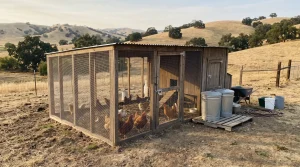
Poultry owners should use sturdy enclosures with secure doors, durable mesh, and appropriate protection from predators. Inspect the structure regularly for gaps, loose panels, damaged wire, and openings near the ground.
Close coop doors at night and store feed in sealed containers. Spilled grain can attract rodents, which may draw additional wildlife into the area. Keep the enclosure maintained rather than assuming a fence alone will prevent every predator from entering.
For ranchers, protective measures should reflect the type of livestock, local terrain, and the specific risks identified on the property. Secure nighttime housing, well-maintained fencing, and professional advice may all be useful components of a broader prevention plan.
Remove Food Attractants
Avoid leaving pet food outdoors for extended periods. Bring uneaten food inside, clean spills promptly, and store food in sealed containers. Garbage should be kept in secure bins, while compost should be managed so wildlife cannot easily access food scraps.
Bird feeders can also attract rodents when seed accumulates beneath them. Clean the area regularly and reconsider feeder placement if it is causing increased animal activity close to the house.
These measures do not guarantee that wildlife will never pass through a property, but they can reduce the number of opportunities for predators to find food near people.
Make Your Property Less Attractive to Predators
A property inspection can help residents identify conditions that may increase the likelihood of unwanted wildlife encounters. Look for accessible food, unsecured waste, places where small animals gather, and exposed domestic animals.
Start by securing garbage and compost, storing animal feed properly, and removing spilled food. Avoid feeding deer or other wild mammals. Intentionally attracting prey can increase wildlife activity around a home and potentially draw predators into the same area.
Review the immediate surroundings of your house, animal enclosures, and frequently used outdoor spaces. Trim vegetation that obstructs visibility close to buildings, maintain outdoor lighting where useful, and keep paths near entrances clear enough for residents to see their surroundings.
However, property management does not require removing every native plant or clearing large areas of natural habitat. A balanced approach focuses on reducing hiding places immediately beside frequently used areas while preserving suitable vegetation elsewhere.
Do not use poison or indiscriminate traps to address suspected wildlife problems. These methods may harm pets and non-target wildlife and can create additional hazards. Seek professional guidance before attempting wildlife control.
 Hiking and Wildlife Watching Safely
San Benito County offers opportunities for hiking, photography, birdwatching, and other outdoor activities. Responsible recreation begins with preparation and a willingness to observe wildlife without interfering with it.
Before leaving home, check the weather, trail conditions, and relevant park alerts. Bring sufficient water, appropriate footwear, a charged phone, and any equipment needed for the planned activity. If visiting a remote location, let someone know your route and expected return time.
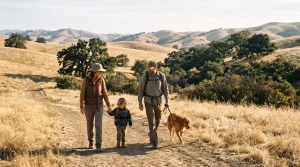
Whenever possible, hike with a companion. Stay on established trails, remain attentive around dense brush, and keep children close rather than allowing them to run ahead. Avoid wearing headphones at a volume that prevents you from noticing your surroundings.
If you see wildlife, do not approach it for a photograph. Binoculars or a camera with a zoom lens allow observation from a greater distance. If an animal changes its behavior because of your presence, move away and give it additional space.
Never follow tracks into dense brush, approach a den, or try to photograph young animals at close range. Respect trail closures and follow instructions from park staff or wildlife authorities.
Visitors can also combine outdoor recreation with local history and community attractions. For example, Discover the Historic Charm of San Juan Bautista offers ideas for exploring the area’s historic architecture, museums, shops, and local dining after a day spent outdoors.
Seasonal Changes and Wildlife Activity
Wildlife behavior changes throughout the year as temperatures, food availability, vegetation, and water sources change. These factors can influence where animals travel and how often people notice them.
During warmer months, more people may visit trails and recreation areas. Hikers, cyclists, campers, and rural property owners should remain aware of their surroundings and keep pets supervised. Hot weather also makes water important for wildlife, but intentionally attracting wild animals to residential yards can create avoidable conflicts.
During cooler or wetter periods, vegetation may become denser in some areas, while rain can affect road and trail conditions. Drivers should remain alert on rural roads when visibility is limited or animals may cross unexpectedly.
Breeding and rearing periods can also affect wildlife behavior. Bobcats may raise litters in spring or summer, although the precise timing varies. A young animal seen alone does not necessarily need human assistance.
Mountain lion kittens depend on their mother for an extended period. Anyone who sees what appears to be a young mountain lion should keep away and seek guidance from wildlife authorities rather than approaching it or attempting a rescue.
It is also important not to interpret every seasonal sighting as evidence of a population increase. One observation cannot establish a population trend, and sightings may become more noticeable simply because more people are spending time outdoors.
Consistent year-round precautions remain useful: secure animal enclosures, supervise pets, avoid feeding wildlife, and follow current safety recommendations.
Teaching Children to Respect Wildlife
Children can learn to appreciate nature while understanding that wild animals are not pets. Families should discuss wildlife safety before visiting trails, parks, or rural properties.
Explain that mountain lions and bobcats need space and should never be approached, chased, or fed. Children should stay with an adult on trails and avoid running into dense vegetation. They should also know to tell an adult if they see a wild animal rather than attempting to investigate it.
At home, parents can teach children how everyday habits protect both wildlife and domestic animals. Bringing pets indoors at night, closing animal enclosures, and keeping food waste secured are practical steps that children can help maintain under adult supervision.
Wildlife education should encourage awareness rather than fear. Mountain lions and bobcats are important parts of California’s natural environment, and their presence does not mean families must avoid outdoor activities. With sensible precautions, people can enjoy parks, trails, and rural landscapes while respecting the animals that live there.
What to Do About a Wildlife Sighting Near Your Home
A mountain lion or bobcat sighting does not automatically indicate an emergency. The appropriate response depends on the species, its behavior, its proximity to people, and whether it presents an immediate threat.
If an animal is passing through and remains at a safe distance, keep people and pets away and allow it to leave. Do not approach it, surround it, or encourage neighbors to gather for a closer look.
If the animal is behaving aggressively, appears injured, repeatedly enters occupied areas, or poses an immediate safety threat, contact the appropriate authorities. Call 911 when there is an immediate emergency or someone has been injured.
For non-emergency concerns, the California Department of Fish and Wildlife provides information about wildlife conflicts and prevention. When reporting a concern, describe the date, approximate location, animal’s behavior, and whether people, pets, or livestock were at risk. Photographs may be useful if taken safely, but they are never worth risking personal safety.
Avoid publishing the precise location of vulnerable wildlife or suspected dens. Unnecessary attention can encourage people to approach animals and disturb their habitat.
Residents should also be cautious about unverified neighborhood posts. A photograph from another county or an old video may circulate as if it shows a recent local sighting. Check reliable sources before sharing an alert that could cause unnecessary alarm.
Why Conservation and Coexistence Matter
Mountain lions and bobcats are more than occasional visitors to rural properties. They are native predators that contribute to ecological relationships and depend on suitable habitat to survive.
Mountain lions prey on deer and other mammals, while bobcats commonly hunt smaller animals. Their presence forms part of a wider food web involving plants, insects, birds, rodents, herbivores, and scavengers.
Wildlife also needs connected habitat. Roads, development, and other barriers can interfere with movement and increase the risk of vehicle collisions. Protecting natural spaces and reducing avoidable conflict can help maintain the ecological value of the region.
Residents do not need to undertake large conservation projects to contribute. Everyday decisions can make a difference, especially when many households adopt responsible practices. Securing garbage, avoiding wildlife feeding, maintaining animal enclosures, and driving carefully in natural areas are practical ways to reduce risks.
The goal is a landscape where people can live, work, and recreate safely while native wildlife continues to fulfill its ecological role.
Common Myths About Mountain Lions and Bobcats
Myth: A Mountain Lion Sighting Means an Attack Is Likely
A sighting alone does not mean an attack is imminent. Mountain lions generally avoid people, although their size and strength mean that every encounter should be treated seriously. Maintain distance, avoid running, and follow established safety guidance.
Myth: Bobcats Are Simply Oversized House Cats
Bobcats are wild predators with different needs and instincts from domestic cats. They should never be fed, handled, or encouraged to approach people.
Myth: A Fence Makes Pets Completely Safe
Fencing can help protect pets and livestock, but its effectiveness depends on its design, maintenance, and the animal being protected. Supervision, secure nighttime housing, and removal of attractants remain important.
Myth: A Young Animal Seen Alone Must Be Abandoned
Many wild animals spend time alone, and a young animal may be temporarily separated from its mother while she searches for food. Do not approach or attempt to rescue it without professional guidance.
Myth: Relocating a Predator Always Solves a Wildlife Problem
Relocation may not address the conditions that caused a conflict. If food, prey, or access to domestic animals remains available, similar problems can continue. Prevention and professional advice are often more sustainable approaches.
Understanding these distinctions helps residents make decisions based on reliable information rather than assumptions.
Frequently Asked Questions About San Benito County Wildlife
Are mountain lions found in San Benito County, California?
Mountain lions are native to California and inhabit many types of natural environments, including foothills, brushlands, and rural landscapes. Suitable habitat in a region does not confirm a recent sighting at a specific address, so residents should consult official wildlife resources for current local information.
Are bobcats dangerous to dogs and cats?
Bobcats generally avoid people, but unsecured small pets can be vulnerable. Keep cats indoors, supervise dogs outdoors, and secure small animals at night. Do not allow pets to chase or approach a bobcat.
What should I do if I see a mountain lion while hiking?
Remain calm, do not run, face the animal, make yourself appear larger, and back away slowly while giving it a route to escape. Do not approach it or crouch down. If the animal attacks, fight back and protect your head and neck.
Should I report every bobcat sighting?
A routine bobcat sighting does not necessarily require an official response. However, if the animal appears injured, behaves unusually, threatens public safety, or repeatedly targets domestic animals, contact the appropriate wildlife agency for advice.
How can I protect chickens from bobcats?
Use sturdy, well-maintained enclosures with secure doors and suitable predator protection. Close coops at night, repair gaps, store feed securely, and remove spilled food that may attract rodents.
Do mountain lions and bobcats help the environment?
Yes. Both are native predators that contribute to ecological balance. Mountain lions prey on larger mammals, including deer, while bobcats commonly hunt smaller animals. Protecting suitable habitat and reducing preventable conflicts benefits the wider ecosystem.
Conclusion: Living Safely Alongside San Benito County’s Wildlife
San Benito County’s natural beauty is closely connected to the wildlife that inhabits its hills, woodlands, brushlands, and open countryside. Mountain lions and bobcats are important parts of this environment, and understanding their behavior allows residents and visitors to appreciate them without unnecessary risk.
The most effective approach to wildlife safety begins with consistent habits: supervise pets, secure livestock and poultry, avoid feeding wild animals, remove accessible food attractants, and remain attentive when hiking or driving through natural areas.
If a mountain lion appears, stay calm, do not run, make yourself look larger, and give it a route to leave. If a bobcat appears, maintain your distance and allow it to move away. Never attempt to handle, corner, or approach either animal.
Wildlife sightings are not automatically emergencies. Respond according to the animal’s behavior, consult reliable guidance, and contact appropriate authorities when a genuine safety concern arises.
By combining practical precautions with respect for native wildlife, San Benito County residents can help create a safer relationship between local communities and the natural ecosystems that make the region distinctive.